Podcasts Meant To Be Eaten

Francesca Vaghi and Brandi Miller on defining “good” food

Published Date: August 4, 2019
Episode: 63

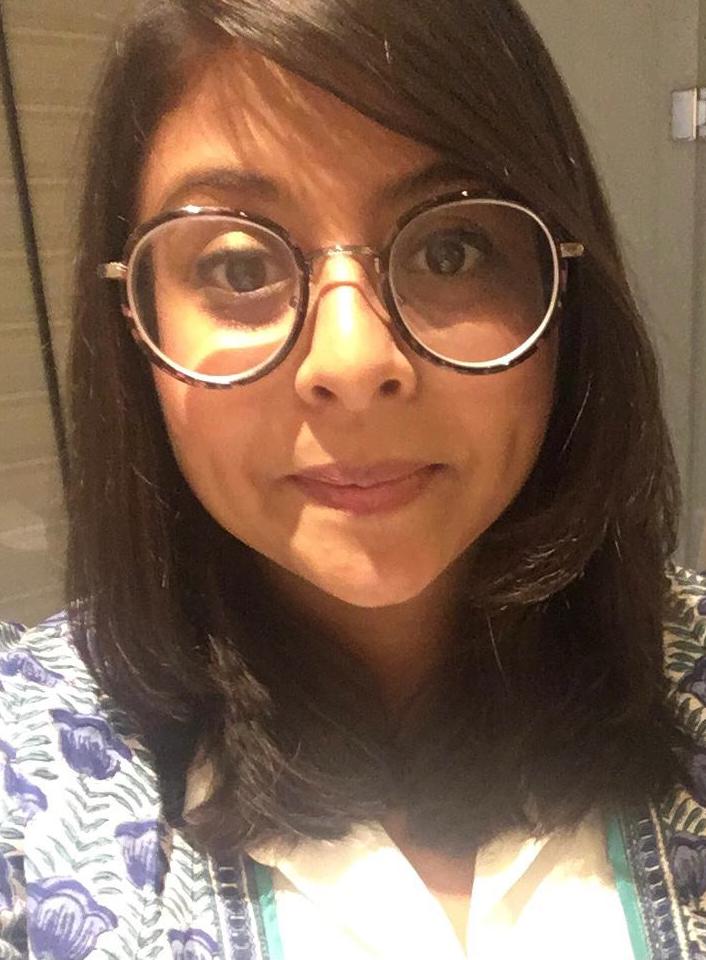
What makes good food, good? PhD students at SOAS University of London Francesca Vaghi and Brandi Miller join Coral to discuss why “”good”” food is often contigent on nutritional, economic, political, or moral conditions, and why the distinction changes across cultures and scale.

Francesca is a final year doctoral researcher based at the School of Oriental and African Studies (SOAS) in London, and the Thomas Coram Research Unit. Prior to starting her PhD, she was awarded an MPhil in Medical Anthropology from the University of Oxford in 2015. Her project, ‘Food, policy, and practice in early years education and care: children, parents, and practitioners in a London nursery,’ spans a variety of areas, mainly: medical anthropology, the anthropology of food, childhood studies, gender, and class. Francesca’s doctoral research was conducted in an inner-London nursery and children’s centre over a 12-month period. As well as investigating the ways in which children create their self and peer identities through food and eating practices, her work explores how children’s food policy fits into family intervention policies more broadly, as well as how notions of ‘good food’ and ‘good parenting’ (particularly ‘mothering’) are interlinked.

Brandi Simpson Miller holds an MA in World History from Georgia State University (2015). She is a doctoral researcher at the Department of History at the School of Oriental and African Studies London. Her research interests include the study of the social history of Ghana, particularly the political aspects of global and local food practices from the precolonial period to Ghanaian independence.

Meant To Be Eaten is powered by Simplecast.

Francesca Vaghi and Brandi Miller on defining “good” food

Latest Episodes

What to Read Now: Melissa Fuster’s Caribeños at the Table

What to Read Now: Melissa Fuster’s Caribeños at the Table

This episode is part of a collaboration with Gastronomica: The Journal for Food Studies, hosted by editorial collective member Jaclyn Rohel. Jaclyn shares some new and soon-to-be published titles in food studies and is joined by her Gastronomica colleague Melissa Fuster in conversation about Melissa's new book, Caribeños at the Table: How ...
Stephen Velasquez on Art and Activism

Stephen Velasquez on Art and Activism

This episode is part of a collaboration with Gastronomica: The Journal for Food Studies hosted by Gastronomica editorial collective member Paula Johnson. In this episode, curator Stephen Velasquez discusses how activism and food history come together in a graphic calendar. The Calendario de Comida 1976, created by California-based artist ...
Sucharita Kanjilal on Tomatoes and Taste-making in Indian Recipes

Sucharita Kanjilal on Tomatoes and Taste-making in Indian Recipes

This episode is part of a collaboration with Gastronomica: The Journal for Food Studies, hosted by Gastronomica editorial collective member Krishnendu Ray. The tomato is a staple ingredient in Indian subcontinental cooking, but this is a relatively recent phenomenon. In this episode, anthropologist Sucharita Kanjilal explains how tomatoes ...
Aya H. Kimura on Pickling: Histories of Tsukemono

Aya H. Kimura on Pickling: Histories of Tsukemono

This episode is part of a collaboration with Gastronomica: The Journal for Food Studies, hosted by Gastronomica editorial collective member Daniel Bender. Aya H. Kimura unpacks the biocultural history of tsukemono (Japanese pickles). She discusses the different kinds of traditional tsukemono in Japanese dining cultures and explains how these ...
Benjamin Schrager on Risk, Regulation, and Raw Chicken in Japan

Benjamin Schrager on Risk, Regulation, and Raw Chicken in Japan

This episode is part of a collaboration with Gastronomica: The Journal for Food Studies, hosted by Gastronomica editorial collective member James Farrer. Geographer Benjamin Schrager talks about his new article, 'Risky but Raw: On (Not) Regulating One of the Most High-Risk Dishes in Japan,' published in Gastronomica (issue 21.3). He raises ...
Raúl Matta and Padma Panchapakesan on Dining Out: Changing Values of Good Taste

Raúl Matta and Padma Panchapakesan on Dining Out: Changing Values of Good Taste

This episode is part of a special series in collaboration with Gastronomica: The Journal for Food Studies, hosted by Gastronomica editorial collective member Josée Johnston. Raúl Matta and Padma Panchapakesan discuss how ideas of "good taste" have changed over time with the aid of different judgment devices. Focusing on the role of chefs, ...
Gastronomica: The Next Issue

Gastronomica: The Next Issue

This episode offers a sneak peek behind the scenes at Gastronomica: The Journal for Food Studies. Lisa Haushofer hosts a roundtable live from the 2021 Food Studies conference, Just Food: Because It Is Never Just Food. Editors from the Gastronomica editorial collective - Amy Trubek, Paula Johnson, and Daniel Bender - reveal what's coming down ...
Chicken Politics

Chicken Politics

This episode is part of a special series in collaboration with Gastronomica: The Journal for Food Studies, hosted by Gastronomica editorial collective member Melissa Fuster. Michaël Bruckert explores meat industrialization in South India. Recounting his fieldwork in the region of Tamil Nadu, Bruckert traces the commoditization of poultry, ...
No results found.

SERIES
SUBSCRIBE

PARTNER