On this episode of A Taste of the Past, Linda Pelaccio is in the studio with Tim Sullivan, sake educator and founder of the site UrbanSake.com. Tune in to hear about how rice processing and milling determines sake quality, why sake is more similar to beer than wine, and why sake is unlikely to give you a hangover. Did the tsunami affect sake quality and production in Japan? Is the sake contaminated by nuclear material? Tim says that sake production is monitored by the Japanese government and is completely safe! Sake doesn’t necessarily need to accompany traditional Japanese food; it suits all types of cuisines and can compliment any meal. Learn more about the history of sake, and try some with your next dinner. This program has been brought to you by Hearst Ranch.
“Sake today can be very elegant. There’s a lot of nuance. That’s a modern phenomenon. That is something that has only been around for the last forty or fifty years. Sake itself has been around for 2,000 years.”
“The more you mill down [the rice], the higher the quality. All the rice we eat is brown; if you’re eating white rice, it has been milled.”
—Tim Sullivan on A Taste of the Past
Latest Episodes
A Taste of Spain via Hemingway
April 27, 2026
Linda interviews author Howie Southworth about his new book, Hemingway’s Spanish Table. Part travelogue, part cookbook, this compelling culinary journey traces Hemingway’s travels through the provinces of Spain he visited and the foods he ate. Howie Southworth presents the allure of the culture through the culinary history and flavors of ...
The History of Mac ’n Cheese, from Ancient Rome to Modern America
January 23, 2026
Today, macaroni and cheese is the ultimate comfort food, a staple of weeknight dinners, family gatherings, and Soul Food restaurants. Humble though the dish may seem, culinary historian Karima Moyer-Nocchi traces its history to Ancient Romans, Renaissance cardinals and popes and Thomas Jefferson’s kitchens from where it became an American tradition.
Marion Nestle, America’s preeminent nutrition and food activist joins Linda to discuss her new book, What to Eat Now, a rewrite of her 2006 groundbreaking book, What to Eat. In those twenty years food in America has undergone a radical change. Ultra-processed foods dominate the supermarket shelves, corporate control dictates product dominance ...
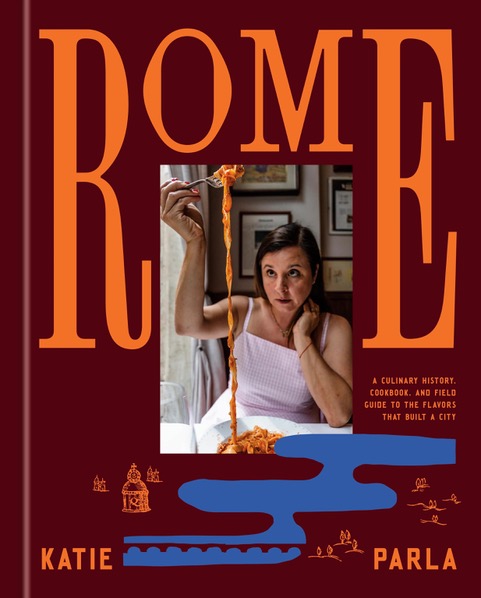
Katie Parla is a Rome-based food and beverage writer, cookbook author, and culinary guide. She is known for her expertise on Italian food culture, having written or edited over 35 books. In her new book Katie has gone even deeper into the history and evolution of the food culture from ancient times through post-war periods to tell the ...
Immigrant Italian Women and the Birth of an Italian American Foodway
March 18, 2025
In this episode Linda talks with Lucinda Scala Quinn about the history of immigrant Italian women who came to America between 1880 and 1924, fleeing the poverty of their southern Italian homes. They cooked the food they knew, often substituting ingredients and embellishing recipes with the new found abundance of foods in America. These ...
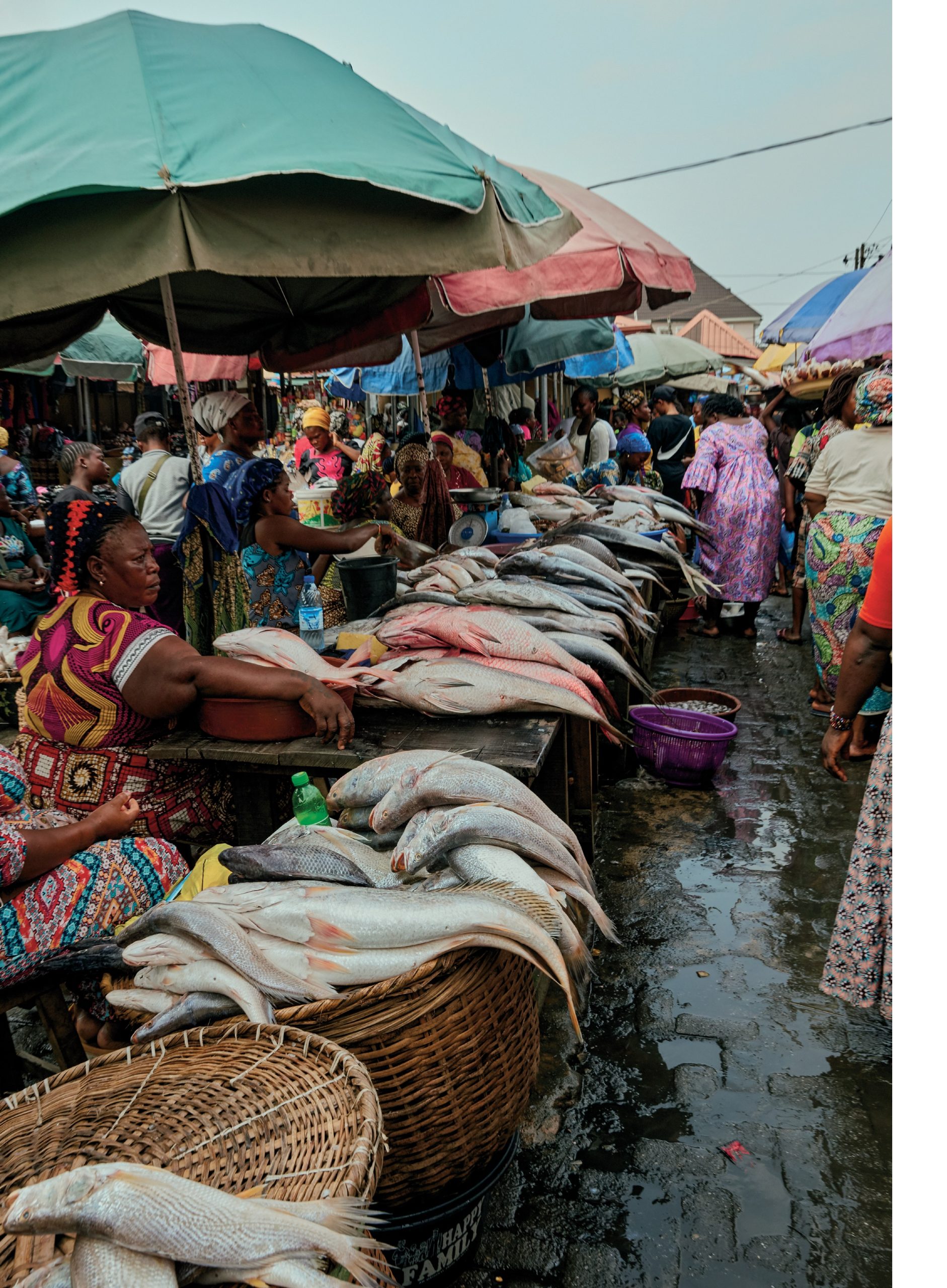
Nigerian food writer and cookbook author Ozoz Sokoh describes the historical foodways and evolution of the cuisine of Nigeria and its regions. From her new book, CHOP CHOP:: Cooking the Food of Nigeria, Ozoz shares descriptions and background of many of the spices, ingredient combinations, and recipes of regional classics and contemporary ...
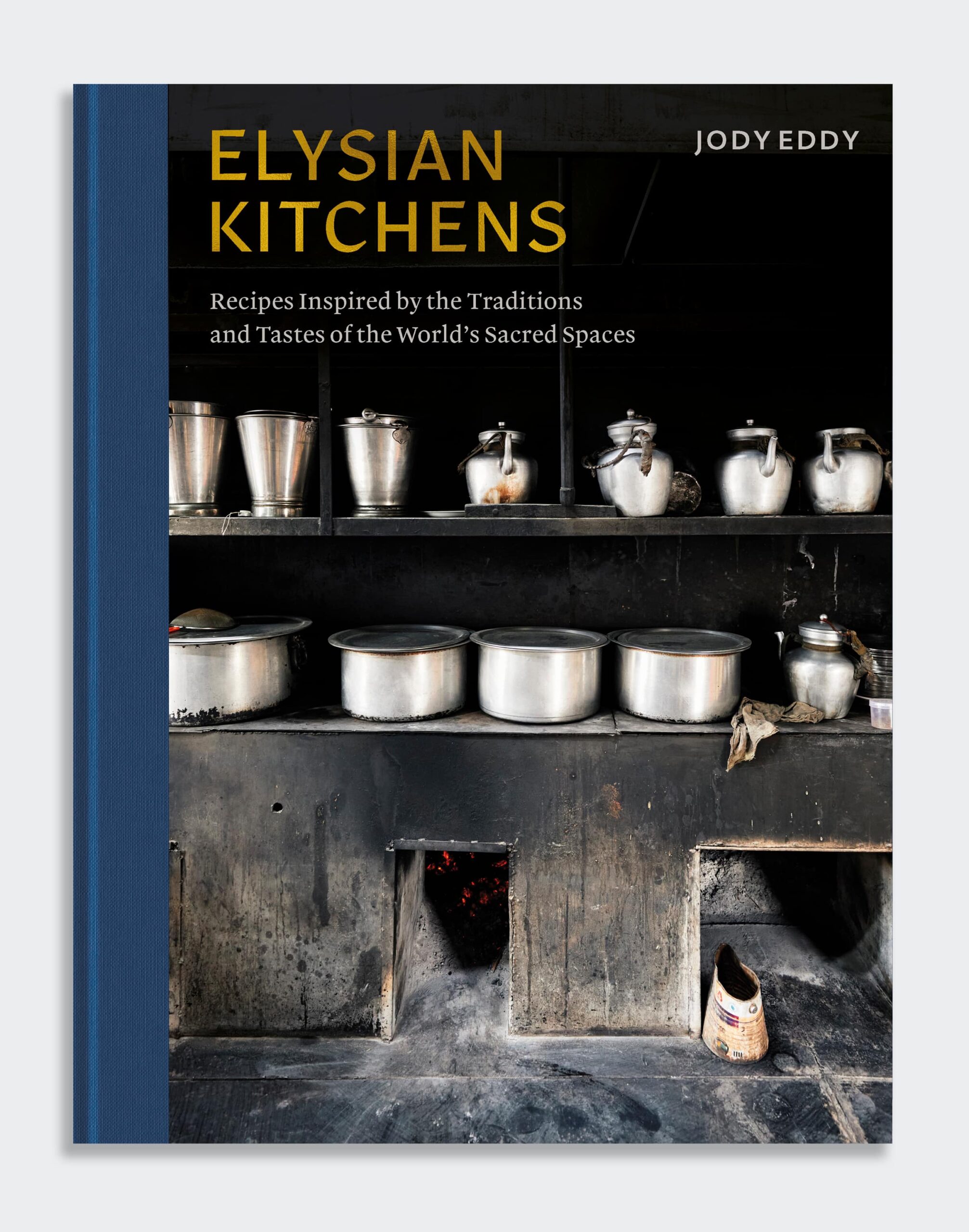
Monasteries, temples, mosques, and synagogues around the world preserve not only the world’s religions, but also cultural and culinary traditions, And those who cook in the kitchens of those sacred places—the sacred kitchens-- are the keepers of the flame, if you will, preserving the culinary heritage by cooking the traditional recipes and ...
Jewish Food Society: Preserving the Jewish Culinary Heritage from Around the World
March 7, 2024
From growing up in a Kibbutz, to a life in New York City where her work sits at the intersection of food, culture, community building, and art, landing her in a profile article in Vogue, Naama Shefi is a leader in promoting the foods of Israel and archiving the recipes of Jewish communities around the world. On this episode, we speak with ...